

.png)
Reports
Oct 23, 2026
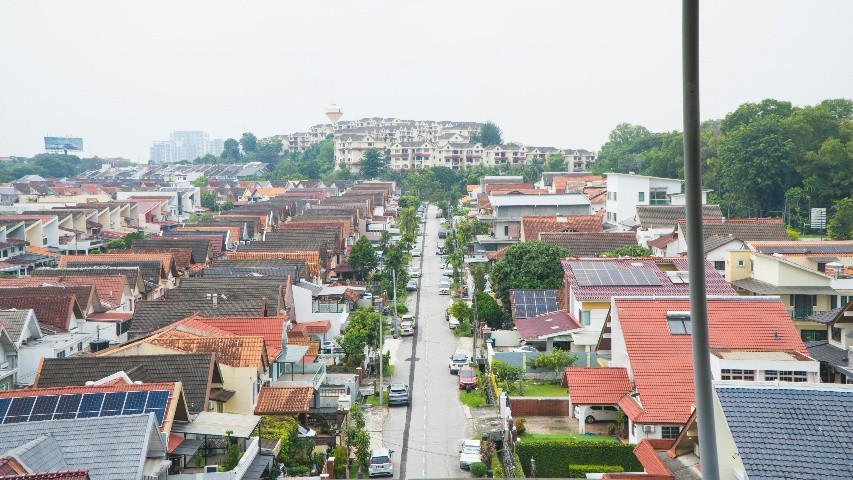
The State of Households 2026: From Income To Wellbeing
The report explores household wellbeing in Malaysia and how economic conditions and regional inequalities shape people’s quality of life.
OP-ED
Oct 23, 2026
The State of Households 2026: From Income To Wellbeing
The report explores household wellbeing in Malaysia and how economic conditions and regional inequalities shape people’s quality of life.
#
Ambition, Purpose and the Cosmology of Education: Lessons from Ancient Indian and Malay Civilisations
#
Ambition, Purpose and the Cosmology of Education: Lessons from Ancient Indian and Malay Civilisations
KRI in the news

featured report

Heading
Trending Topics
Food Systems & Smallholders
Views
Jul 1, 2026
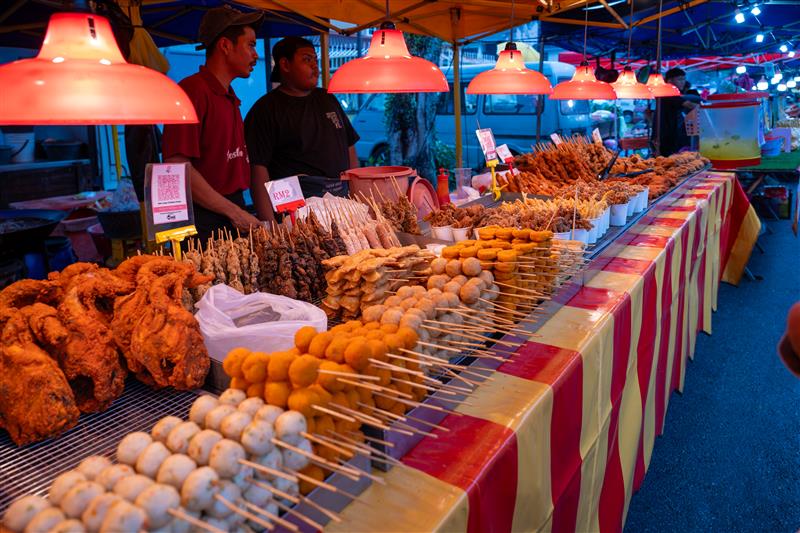
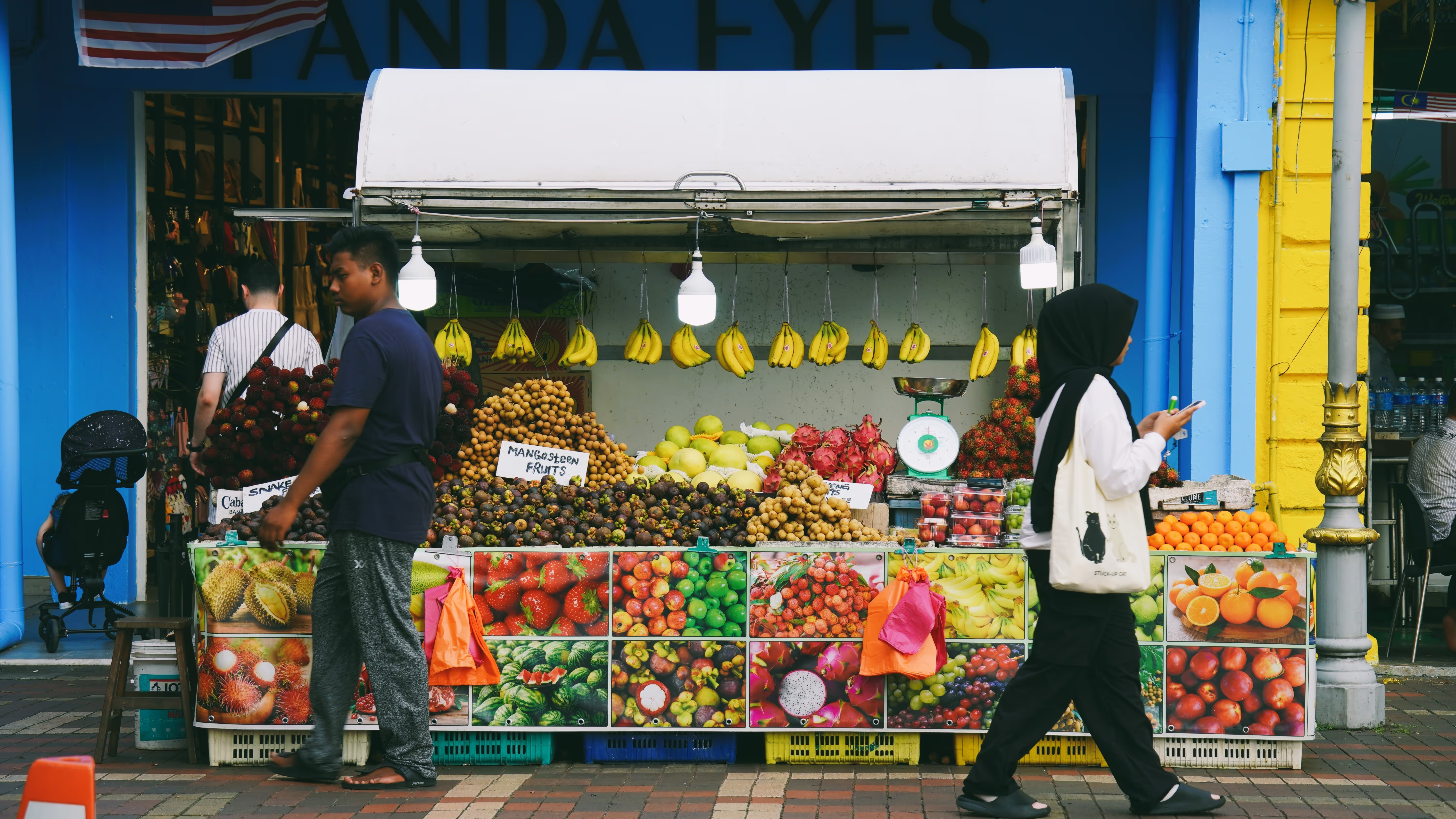
Street food in Malaysia, Part II: Food Safety Governance and Operational Realities
OP-ED
Jul 1, 2026
Street food in Malaysia, Part II: Food Safety Governance and Operational Realities
Featured Quotes
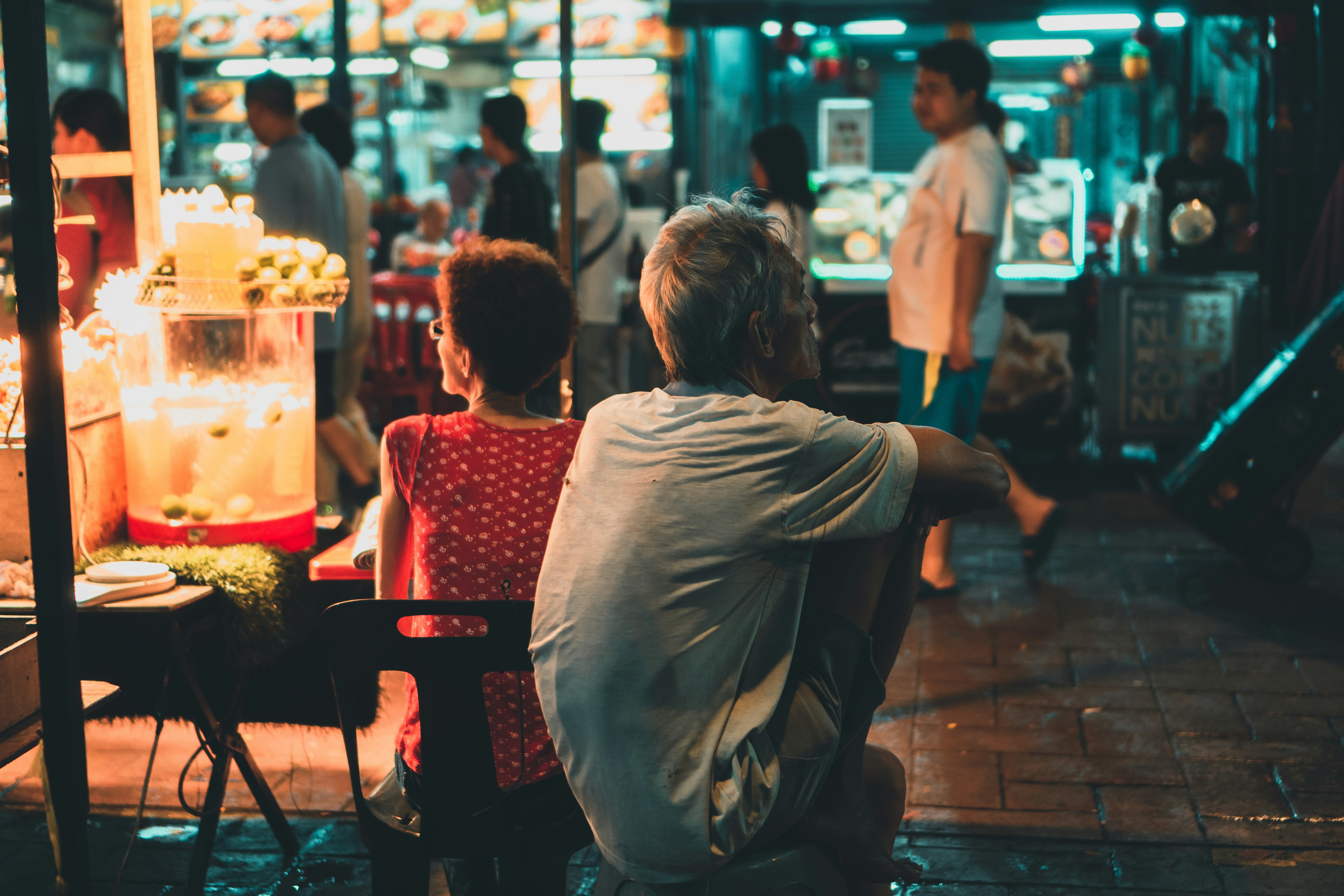
"Despite night markets being a significant economic institution, most hawkers appear to be vulnerable due to heavy reliance on income solely from night markets, which remains low and unstable"
Working Papers
May 25, 2026
NEXUS Survey Preliminary Findings: Vulnerabilities and Needs within the Night Market Ecosystem
Malaysia’s night market ecosystem faces persistent vulnerabilities, with low social protection uptake, rising economic pressures, and shifting consumer trends.

Teoh Ai Ni
Research Associate
Teoh Ai Ni
Research Associate
KRI on the pulse
Can Malaysia Grow Its Own Businesses?
Inflasi Terkawal Tetapi Rakyat Masih Bergelut
Malaysia's Ability to Adapt and Advance - Prof Amir Lebdioui
Bagaimanakah Belanjawan Melindungi Rakyat?
KRI Opentable Podcast Ep.10 Snippet 4
Subsidi Tenaga Untuk Perlindungan Isi Rumah
Kemahiran Untuk Pekerjaan Berkualiti
KRI Opentable Podcast Ep.10 Snippet 2
Housing Loans For Irregular Incomes
Dunia Masih Bergantung Pada Batu Bara
KRI Opentable Podcast Ep.10 Snippet 1
KRI Opentable Podcast Ep.9 Snippet 5
Mencari Titik Tengah Gaji Minimum
KRI Opentable Podcast Ep.9 Snippet 4
Happy Independence Day!
KRI Opentable Podcast Ep.9 Snippet 3
KRI Opentable Podcast Ep.9 Snippet 2
The Middle East Crisis Isn't Over Yet
The Challenge Behind Economic Reform
Is Malaysia really trapped in the middle-income stage?
Who Will Care For Malaysia's Elderly?
"70% isi rumah tidak rasai kekayaan negara"
Malaysia's Next Step Beyond Resilience
Going Digital But Not Fully
Free Water For Healthier Choices
The Changing Face of Imperialism
KRI Opentable Podcast Ep.8 Snippet 6
Healthcare: Can We Afford It?
KRI Opentable Podcast Ep.8 Snippet 5
Is Today's "Nobility" Just Survival?
KRI Opentable Podcast Ep.8 Snippet 4
Gig Workers vs The Algorithm
KRI Opentable Podcast Ep.8 Snippet 3
KRI Opentable Podcast Ep.8 Snippet 2
KRI Opentable Podcast Ep.8 Snippet 1
Malaysia's Riders Battling Extreme Heat
Subsidi Penentu Kelangsungan Rezeki
Tracing The Roots of Iran-West conflict
Gelombang Krisis Tenaga Global
Di sebalik ketahanan Pulau Suri
KRI Opentable Podcast Ep.7 Snippet 5
Proximity and Resilience
KRI Opentable Podcast Ep.7 Snippet 4
KRI Opentable Podcast Ep.6 Snippet 2
Techie Talk x KRI Open table Podcast Teaser 2
The Next Gen reinventing Pasar Malam
Techie Talk x KRI Open Table Podcast teaser 1
Why Global Oil Shocks Hit Malaysia Hard
Prof. Jomo Unleashes Truth! What's Missing in Public Discussions? 🤔 #faqshow #malaysia #politics
KRI Opentable Podcast Ep.5 Snippet 6
KRI Opentable Podcast Ep.5 snippet 3
Oil shocks, inflation, and Malaysia
KRI Opentable Podcast Ep.5 snippet 2
KRI Opentable Podcast Ep.5 snippet 1
Understanding the oil crisis
Court Ruling Resets Malaysia Pact
Pasar Malam Kita, Cerita Kita: Episode 2
Malaysia terjejas dengan harga minyak
Is Malaysia ready for AI?
Dolar semakin dicabar?
Dasar berkecuali Malaysia mungkin tidak lagi relevan dalam persaingan AS–China.
Impak krisi Iran-Amerika Syarikat terhadap Malaysia
Assesing Bus Performance in Greater KL
Pasar Malam Kita, Cerita Kita
The Anatomy of Bus Stops
KRI Opentable Podcast Ep.1, Teaser 2
Homes with trust and hope
Coordinating housing for rakyat
Roundtable Discussion | Bottom-Up Inclusive Community Development Using Technology, 20 January 2026
Reliability matters more than ever
Pantau Belanjawan: Hala tuju Dasar Perumahan Negara Malaysia
The Madani Economic Framework: A review & challenges ahead
Professor Joseph E. Stiglitz Lecture- KRI x INCEIF University x ASB
Dr. Rachel Gong: Government Support for SMEs and AI in Southeast Asia
Future Leaders Programme 11 Online Forum
[LANGSUNG] Forum Ilmuwan Malaysia Madani KPT Siri 5 | 18 April 2025
NEXUS Pasar Malam 2
KRI Opentable Podcast Ep.2: “Beyond Banks: Rethinking Housing as a Human Right”
Ketahanan perlu berevolusi menjadi kekuatan strategik: KRI
Humanising Housing: Between State, Markets and Communities
Podcast KRI Open Table | Episod 1: Reformasi, Rumah, Rakyat
B20-M40-T20 classification outdated, says research agency
Professor Guy Standing Seminar: Rentier Capitalism, Stagnation and the Precariat
KRI Webinar - State of Households 2024: Households and the Pandemic 2019–2022
Malaysia’s Middle Class Redefined
Government to replace B40, M40, T20 classification with a net disposable income approach
More needs to be done to move up value chain
AWANI Tonight: Khazanah Research Institute (KRI) challenges govt's household classifications
B20-M40-T20 classification outdated, says research agency
Unaffordable housing: Longer loan tenures contribute to increase in house prices
Beyond Individual Harm: Dr Jun-E Tan, Khazanah Research on AI Governance's Blind Spot ILCOH2024
Khazanah Research Institute says market consistently 'seriously unaffordable'
MIDF Green Conference 2023 - Acknowledging historical differences on climate issues.
Rethinking NAM 2.0 For Developing Countries
Rethinking Food Security in ASEAN
About KRI & Impact
Khazanah Research Institute (KRI) undertakes rigorous, evidence-based research to address Malaysia’s most pressing socio-economic challenges. From inequality to urban development, our work translates data into insights that inform policies and contribute to shaping the nation’s future.
900+
Publications & Content
1000+
Report Download
907+
Media Mentioned
579000+
Visitors since launch
Research Publication


The State of Households 2026: From Income To Wellbeing
The report explores household wellbeing in Malaysia and how economic conditions and regional inequalities shape people’s quality of life.
.png)
Khazanah Research Institute

Other Reports
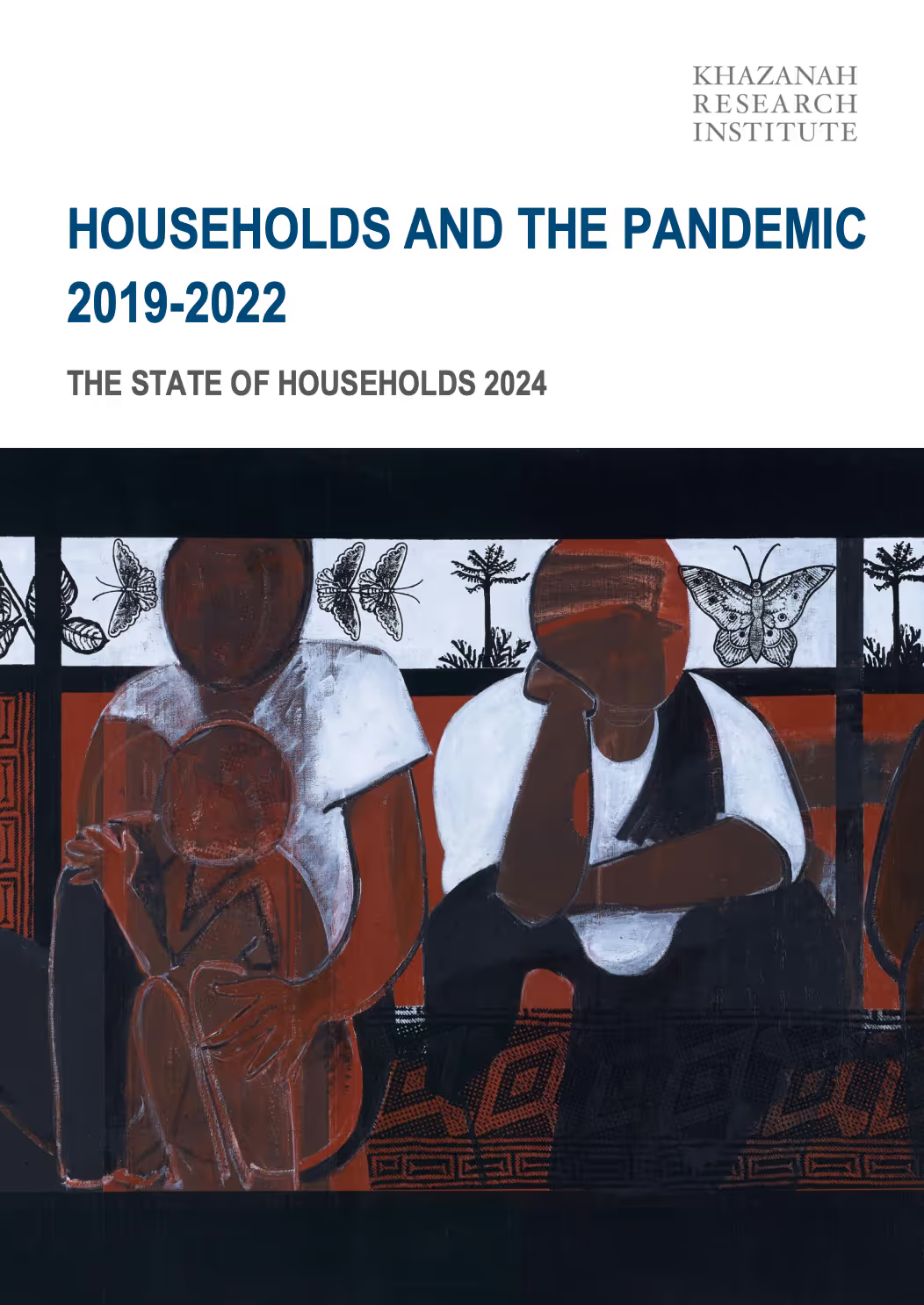
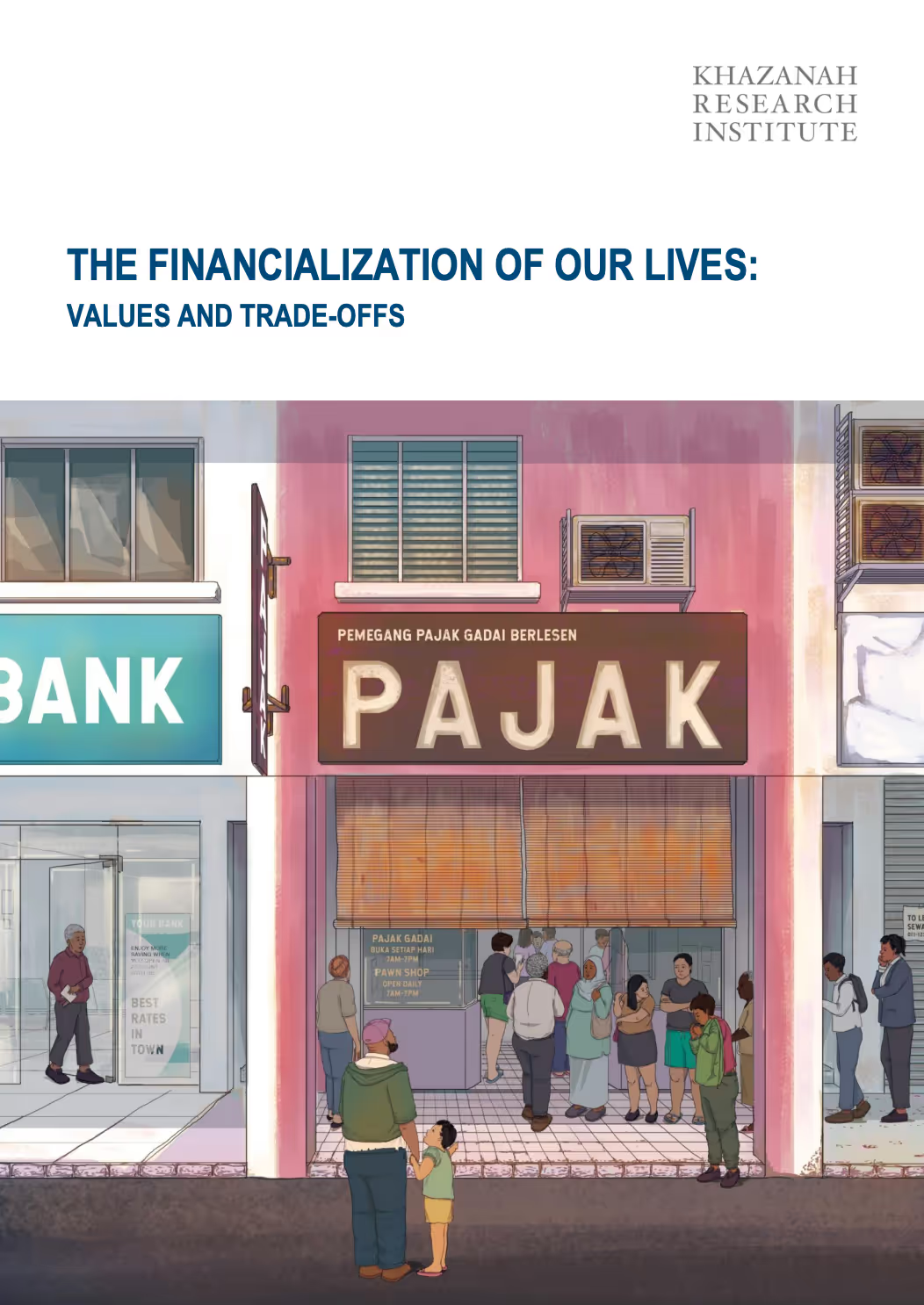
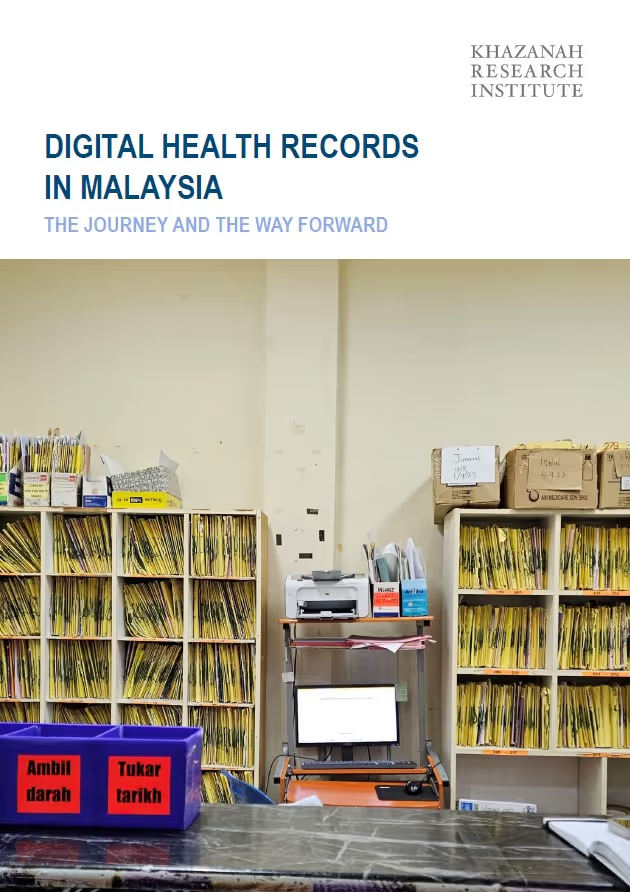
Research Papers
.png)
%20(1).jpg)
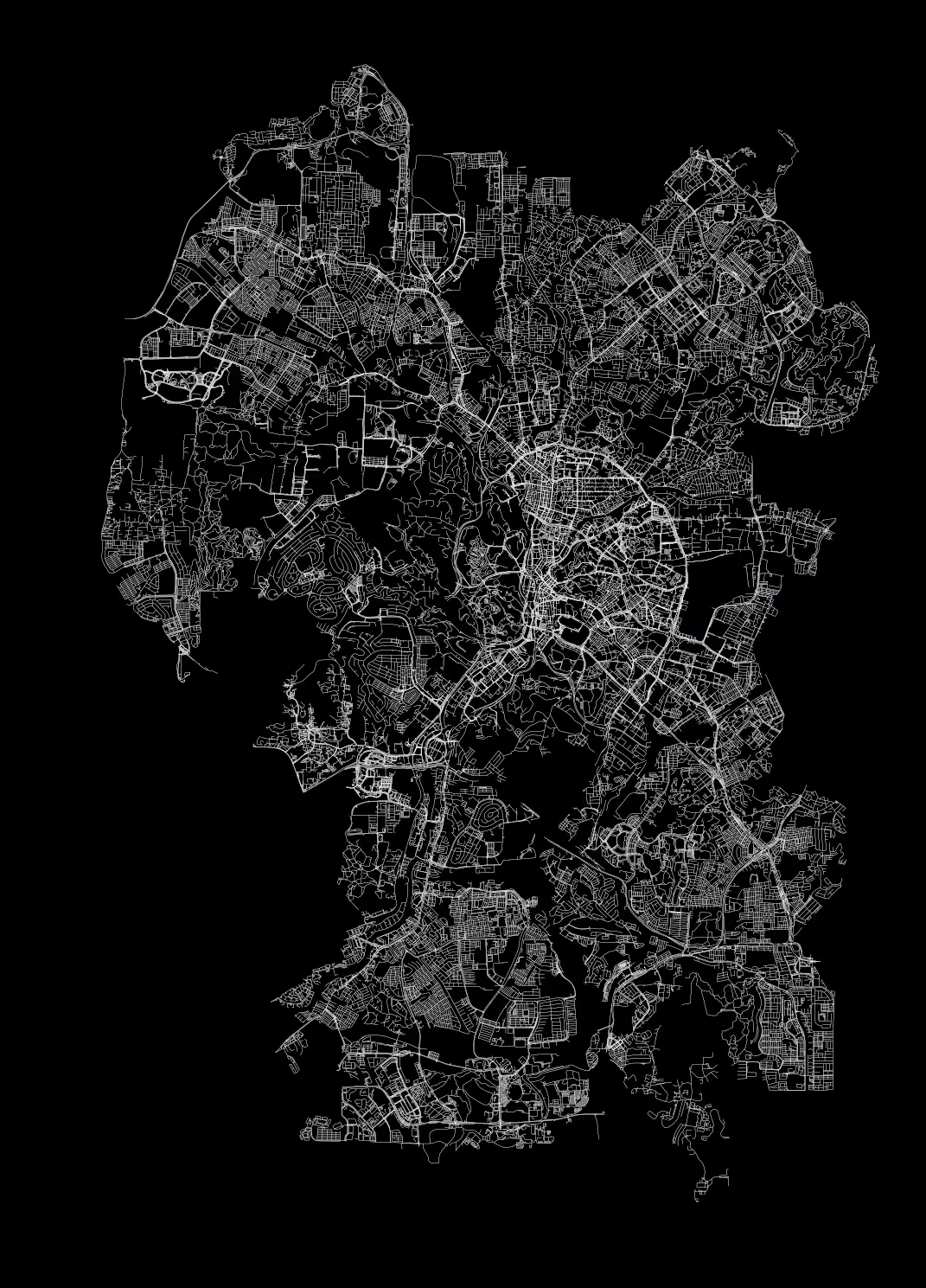
KRI Opendata


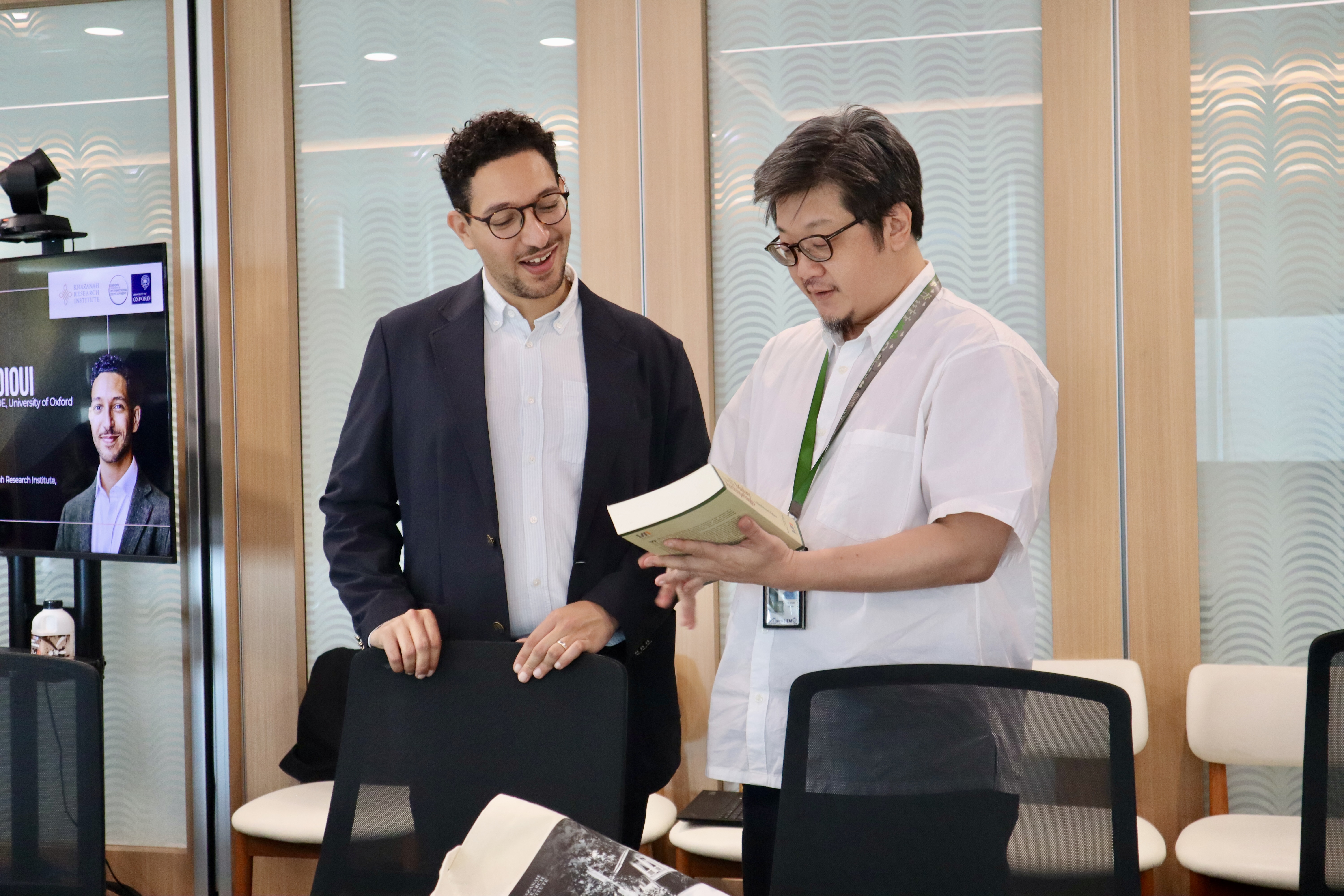
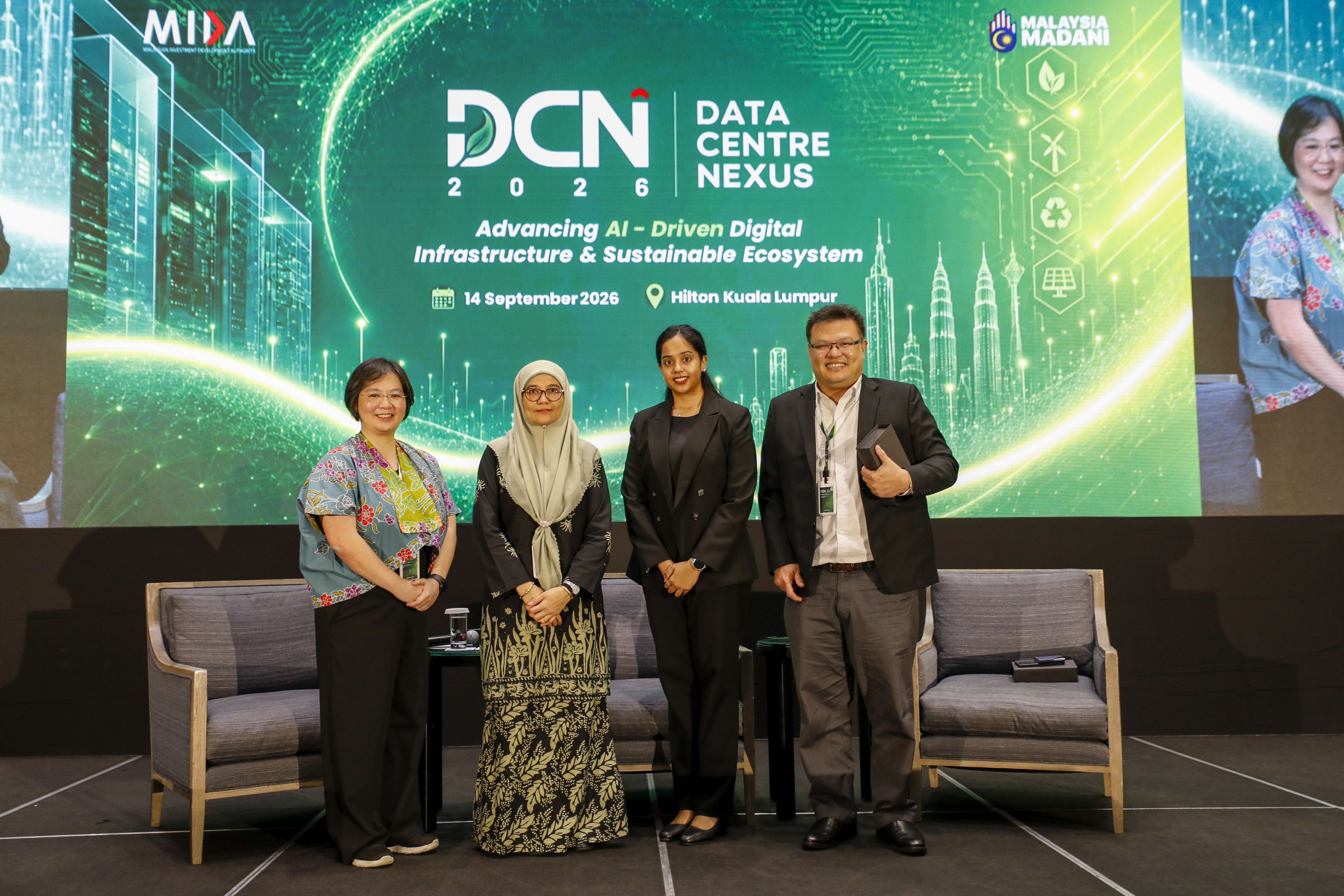
Events at KRI
At the Khazanah Research Institute (KRI), we host a variety of events aimed at fostering dialogue and sharing insights on critical issues.
.jpg)
.JPG)
%20(1).jpg)
.jpg)
KRI Upcoming Events
No upcoming events
Want more stories like these in your inbox?