





Introduction
A commuter interviewed for our Greater Kuala Lumpur Mobilities research described her journey as follows:
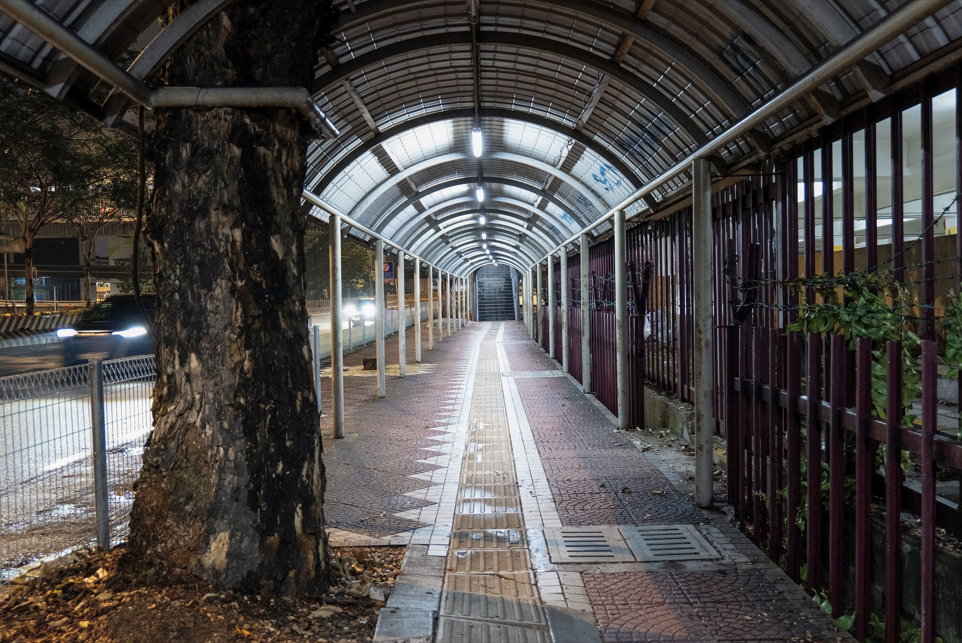
“There is no pavement so I’m literally walking on the side of the road. Because the path is quite dark at night, so I remember having to use my phone’s flashlight, not just to see where I was going, but to make sure cars could see me and wouldn’t hit me.” (R1)1
Her journey required her to share road space with vehicles and make additional effort to ensure that she is visible to drivers when it is dark.
The walk is worth thinking about as Malaysia considers transit-oriented development (TOD). At the launch of the LRT3 Shah Alam Line on the 28-June-2026, the Prime Minister called for Prasarana owned land near stations to be developed as people’s housing under the banner of TOD.2 In his speech, he also emphasized adequate parking and space for small traders. About a month later, Prasarana confirmed that it was finalizing arrangements for eight such projects along the Ampang and Kelana Jaya lines.3
The idea behind TOD is to plan homes, shops and other destinations around public transport so that people can reach more of the places they need without driving. A household that can take the train to work and pick up groceries on the walk home may spend less on driving. Some households may even be able to manage with one car instead of two. For the proposed housing, the first question is whether the intended households can afford to live there? The second, would be whether they can use public transport safely and comfortably without depending on a car?
The Walk to the Station
For someone deciding whether to take the train to work, the walk home matters as much as the walk to the station. The commuter with the flashlight could reach the train on foot, but her experience shows how much the conditions along the route matter, even though the path is the same. A walk may be manageable in the morning under normal conditions, but difficult after dark, or in heavy rain.
For a dense housing development beside a station, the first test is therefore the quality of the walk. Is the route direct? Can residents cross the road safely? Is there enough lighting after dark? and is there enough shelter to make it safe and comfortable in bad weather? A covered walkway within the development forms only part of the relevant route that runs all the way from the building entrance to the station.
What can residents reach from home
Consider a household living a 15-minute walk from the station. If the walk is comfortable and the train takes someone close to work, that person may be able to commute without driving. The same household may still need a car for groceries, or to take a child to school, or to take their parents for medical appointments. Whether it can leave the car at home depends on the nature of those trips, where those destinations are and how easily residents can reach them.
This is where a mix of uses around the station matters. A shop on the way home can help turn an errand into part of the walk from the train. The value of living in a well-connected neighbourhood comes partly from being able to make those shorter trips locally and partly from having public transport for journeys to central business districts.
Where a walk may take too long, a reliable feeder bus can put rail within reach. Demand-responsive transit, in the form of a shared van may suit areas where it is difficult to run a bus on a fixed route. What matters to passengers is whether the service works at the times they need it. A feeder that gets someone to the station in the morning but leaves them uncertain about getting home in the evening offers only a partial solution. And in anycase, a good feeder to the station still leaves the question of how residents reach their schools, shops, clinics, hospitals, or other destinations.
Getting to the station from farther away
Some stations also serve people who live much farther away. Where passengers are spread across several neighborhoods, a fixed route may have to make long detours to reach them. A shared shuttle may do the trick if it can offer a dependable connection. Where these options are impractical, park-and-ride can let someone drive to the station and take the train for the rest of the journey.
The case for park-and-ride therefore depends on the areas the station serves and the alternatives people have for reaching it. That is a different decision from how much parking to provide for people living in the development next door.
Parking for Whom?
The call for adequate parking therefore brings us back to the journeys residents must make. A household may take the train to work everyday, and still need the car to take their elderly parents for appointments. A fresh graduate who landed her first job in the city centre may be able to manage without a car. Residential parking should reflect these different needs and be weighed against what the same space and resources could provide if it’s not used for parking. This includes additional homes, space for small traders, better pedestrian access, or even more commercial units that can serve residents and the neighbourhood around the station.
The benefits of TOD should show up in ordinary decisions. Can residents take the train to work and walk home safely after dark? Or in rain? Can they stop for groceries on the way back? How dependent are they on cars for everything else? Those are the journeys that should shape how we use the space around the station.
Some households will still need a car. But living beside the station should make it easier to leave that car at home.