








Introduction
Street food is a major source of calories and nutrients for people in developing countries. The United Nations Food and Agriculture Organisation (FAO) and World Health Organization (WHO) define street food as “ready-to-eat foods and beverages prepared and/or sold by vendors or hawkers especially in the streets and other similar places”1. On average, adults in developing countries consume 13% to 50% of their daily energy intake from street food, while children consume about 12% to 40%2. The street food culture is particularly vital in Africa, Asia, Latin America and the Middle East3; it contributes to multiple significant benefits by providing job opportunities, driving local economies, boosting cultural food tourism and ensuring food security while preserving local food heritage. In Malaysia, street food is an indispensable part of the local food identity; it is a reflection of Malaysia's diverse, multicultural foodways and a marker of local food system resilience. Street food is widely consumed by consumers from all backgrounds and income groups due to its high availability and accessibility. It serves as a low-cost alternative to restaurant meals and a more convenient option compared to home-cooked meals, making it a staple of the Malaysian diet, especially in urban areas where demand for out-of-home food is high.
Despite its significant contribution to the Malaysian diet, street food remains inadequately monitored in terms of food safety and nutritional quality compared with processed and packaged food, as well as those prepared in more formal eating facilities. The safety and hygiene of street food is a particular concern, as contaminated food can have serious health implications. In 2024, around 73 food poisoning cases were reported for every 100,000 people4 in Malaysia - a significant rise from the incidence rate of 45.7 in 20185. Foods provided by out-of-home sources, such as schools, institutions, restaurants, street stalls and night markets, accounted for most food poisoning incidents.
Meanwhile, the health concerns posed by high-fat, salt, and sugar (HFSS) street food are mounting as Malaysia records increasing prevalence of obesity and diet-related non-communicable diseases (NCDs) over the years. However, the emphasis on nutritional quality is often absent from training curricula for food handlers and from policy documents governing street food provision.
Hence, this paper aims to explore the food safety and nutritional aspects of street food in Malaysia in two parts. In Part I, we first discuss the evolving roles of street food in Malaysia, followed by an examination of its nutritional implications and the gaps and considerations in street food nutrition policy. Subsequently, we examine the food safety risks and regulations in Part II of the paper, providing insights into opportunities to further enhance the food safety level of street food in Malaysia.
Street Food in Malaysia: An Overview
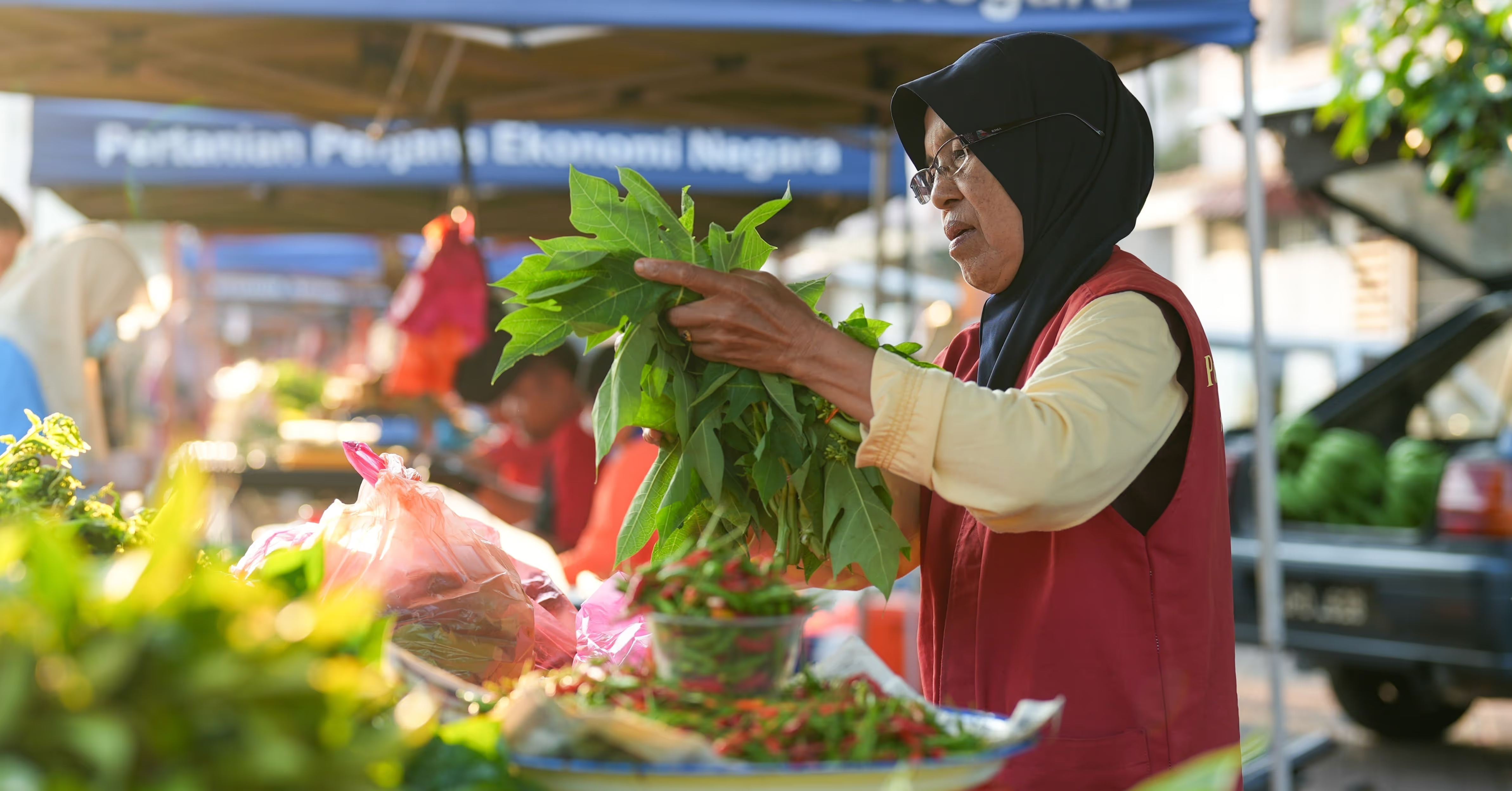
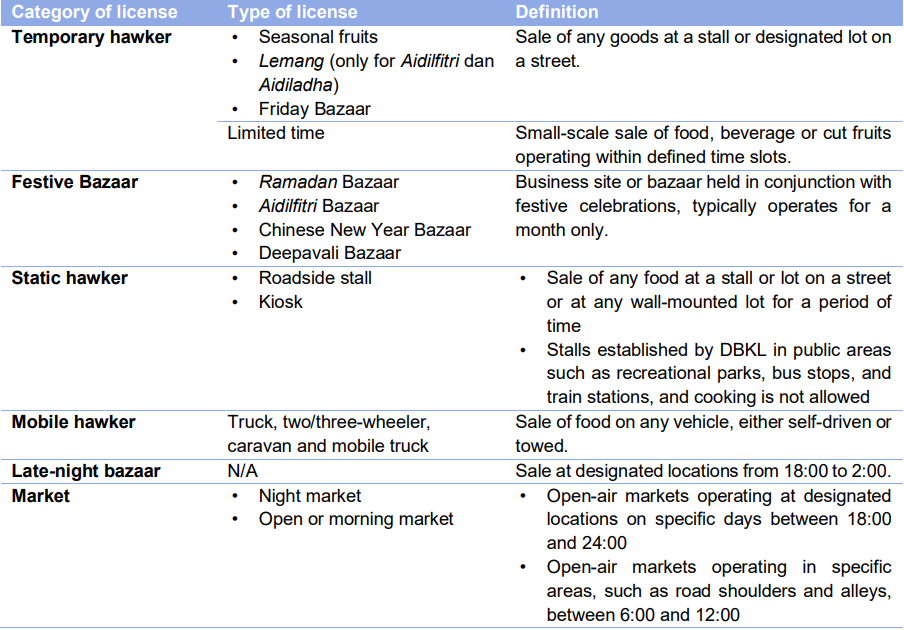
In Malaysia, street food encompasses a wide variety and can be found from various sources. Street food sellers either operate in mobile or static modes. Mobile food vendors typically operate in vehicles or foldable carriers, such as food trucks, two- or three-wheelers or carts, that can be easily moved between locations, including morning or night markets, food parks, or streets (see Figure 1). On the other hand, static food vendors usually operate from a fixed stall or location, with some working in permanent structures such as kiosks. For example, in Kuala Lumpur (KL), there are several types of hawker licenses under the jurisdiction of Dewan Bandaraya Kuala Lumpur (DBKL), categorised based on the operational characteristics of different street food businesses (Table 1)6.
Figure 1: Examples of mobile and stationary hawkers
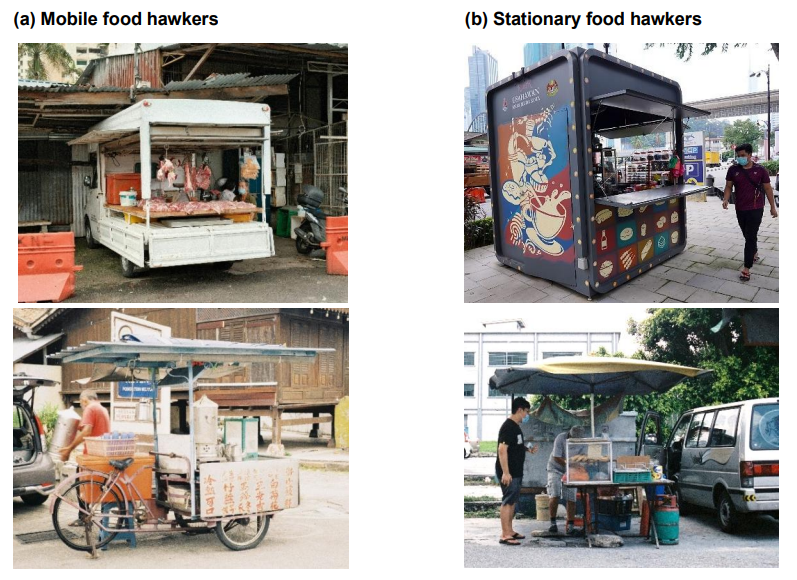
Table 1: Category and type of street food hawker license under DBKL
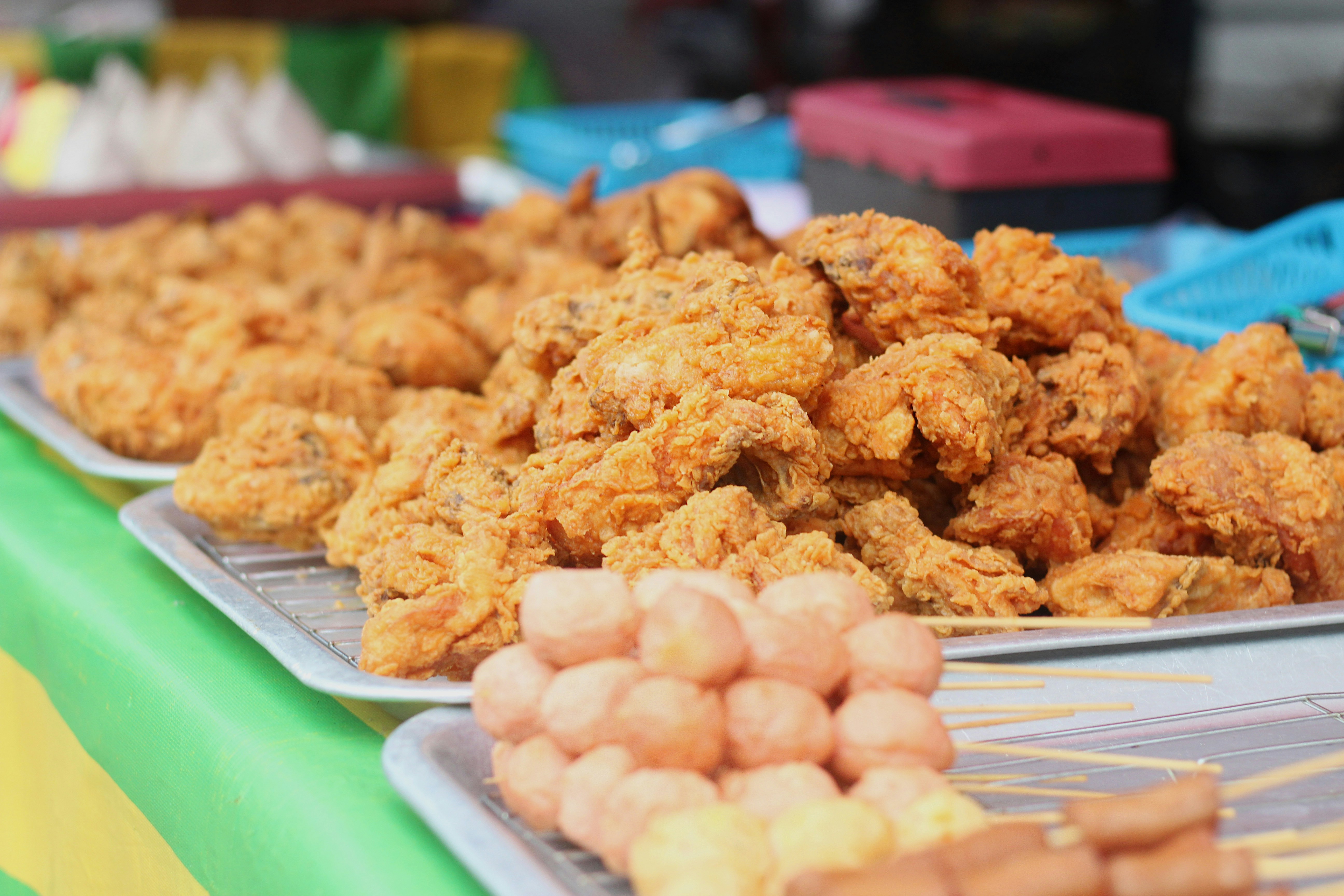
Street food is generally enjoyed in a grab-and-go mode or as a dine-in option, where customers consume the food at the makeshift eating facilities provided by street stalls. It may be prepared on-site or at home, and street hawkers either prepare the food themselves or resell food prepared by others. The food offerings at street stalls are normally affected by competition from other stalls; hawkers may offer the same dishes or find another niche to attract customers. The types of street food range from prepared (e.g., sandwiches, popiah) to cooked (e.g., fried chicken and murtabak), in natura (e.g., cut fruits, coconut water) and processed (e.g., soft drinks, sausages).
Street food stalls make a substantial contribution to food security at the neighbourhood or community level due to their widespread presence. According to the Economic Census 2023 conducted by the Department of Statistics Malaysia (DOSM), food stalls or hawkers operating in permanent structures at fixed locations account for the largest share of total food service establishments in Malaysia at 41%7 (Figure 2). On the other hand, stalls selling exclusively beverages make up one-fifth of the total beverage establishments in Malaysia (Figure 3). Together, food and beverage stalls or hawkers account for one-third of the total food and beverage service establishments in Malaysia. Since the statistics exclude street stalls that move between locations, such as morning or night markets, collapsible stalls, and mobile stalls, the actual number of food stalls is likely to be significantly higher than the recorded number.
Figure 2: Breakdown of the number of food service establishments in Malaysia by industry, 2022
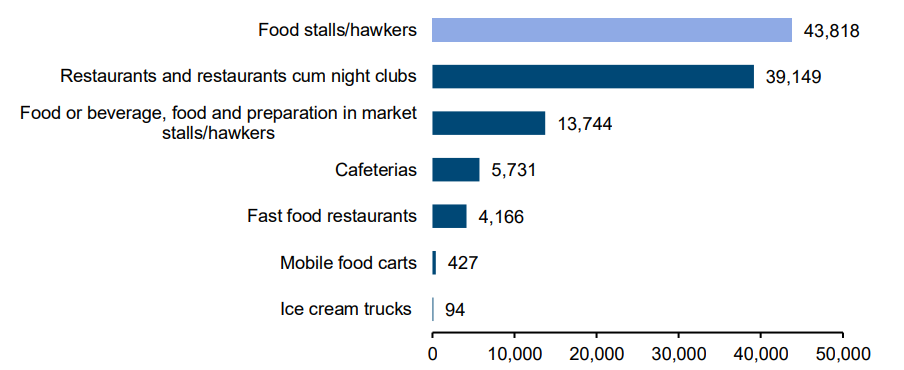
Note: Stalls refer to permanent structures located in buildings or along roads or lanes, with goods and equipment typically stored in drawers or cupboards. Collapsible stalls, mobile stalls, temporary stalls operating during festive seasons or special occasions, night markets, farmer markets and pasar tamu are excluded from this category.
Figure 3: Breakdown of the number of beverage service establishments in Malaysia by industry, 2022
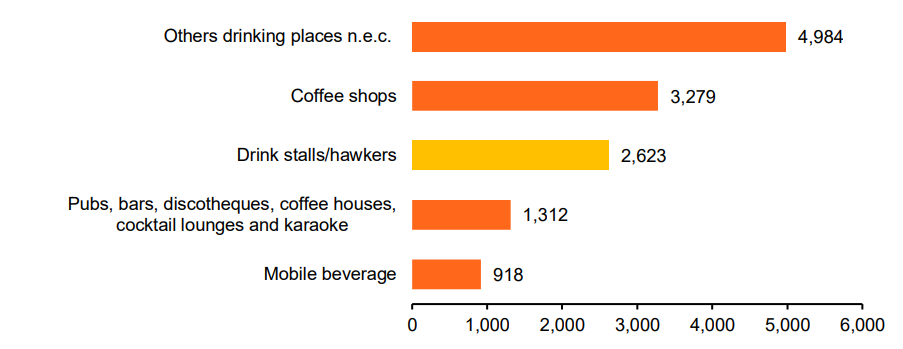
Note: Stalls refer to permanent structures located in buildings or by the road or lane, etc, with the goods and equipment typically stored in drawers or cupboards. Collapsible stalls, mobile stalls, temporary stalls operating during festive or special occasions, night markets, farmer's markets, and pasar tamu are excluded from this category. n.e.c. = not elsewhere classified.
Socioeconomic Roles of Street Food
Street food vending plays a crucial role in assuring food security for low-income urban dwellers. In the past, the urban population and those working in mining and timber settlements relied on street hawkers to obtain their daily supply of unprocessed food, such as fresh meat, fish, dry groceries, fruits and vegetables8. Street stalls were also a convenient source of cooked food for blue-collar workers, with many providing traditional supper. Due to the low overhead cost of running a street stall, hawkers were able to provide food at relatively low prices, making it affordable for consumers.
The strategic concentration of street stalls in areas with high foot traffic and in proximity to the neighbourhood, such as around markets, street alleys, schools, cinemas and office buildings, also facilitates consumer access, saving time and travel costs9. Most street stalls also operate at times that align with consumers’ daily routines. For example, morning markets cater to early risers and those looking for breakfast choices or fresh produce. Night markets are an avenue for people to get dinner and supper on their way home or after work. The ubiquity of street food, combined with its accessibility and affordability, makes it an essential source of food for consumers across all income levels.
Aside from meeting the local food needs of customers, street food vending is also a means of livelihood, supporting the food security of street vendors, many of whom come from low-income segments. The areas where street food stalls operate also serve as communal spaces for socialisation, fostering social cohesion within the neighbourhood.
Today, street food vending prevails alongside the growing urban population and increasing demand for convenient and affordable out-of-home food. In addition to its traditional role in supporting local food needs and serving as an economic lifeline for hawkers, street food vending has also evolved to adapt to the modernisation of urban food retailing and changing consumer needs. Street food is increasingly seen as a tool for preserving food culture and heritage in the face of rapid globalisation and urbanisation, which has led to the gradual introduction of foreign food cultures into the local food scene. In 2023, Malaysia nominated the "Malaysian Breakfast Culture" featuring traditional dishes like nasi lemak, roti canai, and teh tarik for inclusion in the UNESCO List of Intangible Cultural Heritage of Humanity10, underscoring the significance of preserving cultural food traditions.
Street food also contributes to tourism promotion; Malaysia’s unique and multicultural street food culture is a major attraction for culinary tourism, drawing tourists who seek traditional and unique food experiences. For example, night markets in places like Jonker Street, Taman Connaught and Lorong Tunku Abdul Rahman (Lorong TAR) have emerged as popular destinations for tourists to experience local food culture. With this, street food has evolved into a tool for small-scale entrepreneurship, moving beyond its traditional role as a means of survival.
Health and Nutritional Concerns of Street Food Consumption
Much of the concerns about street food revolves around its food safety and hygiene risk, as discussed further in Part 2 of the paper. However, very little has been discussed about its nutritional quality despite street food being a key component of the Malaysian diet. Existing studies examining the nutritional profiles of street food found that most street foods contain medium to high levels of calories, fats, sodium (commonly referred to as salt) and sugar - nutrients that, when overconsumed, can lead to adverse health outcomes. This raises concerns over the nutritional quality of street food and the potential nutritional implications of its frequent consumption, which may add to the already growing public health burden if not addressed in a timely and proper manner.
Street food in Malaysia consists mainly of snacks (e.g., keropok lekor, karipap, fish balls) and main meals (e.g., nasi lemak, fried noodles, fried rice), with a smaller selection of desserts (e.g., kuih muih, donut, banana fritters). A recent study that conducted a comprehensive analysis of street food samples nationwide reported that more than half of the street food samples contain medium levels of saturated fatty acids (SFAs), while another one-third have high levels of SFAs11. Most street food with high levels of SFAs is deep-fried or contains vegetable or animal-based fats, such as coconut milk, butter and processed cheese12.
Deep frying is one of the most common cooking methods for street food as it allows for fast preparation, produces an appealing texture and flavour, and extends the shelf life of perishable food items. Furthermore, processed meat products like burger patties, sausages and nuggets, which are commonly sold as street food across Malaysia, also contain high levels of SFAs13. High intake of SFAs is commonly linked to adverse health outcomes, including insulin resistance14 and coronary heart disease15.
Additionally, an overwhelming 93% of street desserts were found to contain medium to high sugar content due to the widespread use of added sugars, including white sugar, brown sugar, caster sugar and palm sugar16. Popular desserts, such as kuih muih, banana fritters, popcorn, apam balik and egg tarts, were found to have among the highest sugar content. According to the National Health and Morbidity Survey (NHMS) 2024, Malaysian adults consume an average of
42.8g of added sugar from food and beverages daily, with nearly half exceeding the recommended daily sugar limit of 10 teaspoons or 50g17. The high sugar content in street food is, therefore, a significant cause for concern, given its widespread availability.
Most street food also contains a high amount of sodium or salt. Processed snacks commonly sold on the street, such as sausages, fish balls, keropok lekor, burger patties and nuggets, often have a high sodium content due to the use of salt as a preservative and flavour enhancer. Haron et al. also found that the sodium content of over one-third of main meals sold by street vendors, including fried noodles, noodle soup and rice-based dishes, far exceeds the daily recommended sodium intake of 2,000mg18. The consumption of sauces and condiments, such as ketchup, soy sauce and mayonnaise, which are commonly served with street snacks, further increases the sodium content of most street dishes.
Although local traditional food and beverage continue to dominate the street food scene, non-local and fusion cuisines are also gaining popularity. Non-local street food is not limited to foods from Western cultures, but also includes those from neighbouring regions such as East Asia, South Asia and the Middle East. For instance, the use of cheese sauces, once confined to Western foods and snacks such as burgers, potato wedges and fries, is increasingly being applied to local snacks, including Chinese fried breadsticks (commonly known as you tiao or cakoi) and apam balik as fusion foods. Bubble or boba milk tea, which originated in Taiwan, has also become a staple in Malaysia’s night market food scene as it gains popularity rapidly worldwide.
While healthier street food options are available, unhealthier alternatives tend to be more abundant, popular and appealing. On social media, unhealthy street food content and trends are amplified at a much faster rate. Foods that are crunchy, flavorful, colourful or indulgent often become trendy due to their rich flavour profiles and appealing visual presentation, further driving the demand for less healthy street food. Given the wide availability, accessibility and affordability of street food, its nutritional quality, on top of food safety, should also be monitored more closely.
Street Food Nutrition Policy: Gaps and Considerations
Currently, policies and guidelines on street food provision focus mainly on ensuring food safety compliance among vendors and minimising the risk of food poisoning among consumers. The nutritional quality of street food is not adequately monitored compared to packaged food19, which is regulated under the Food Act 1983 and the Food Regulations 1985. Food sold by street stalls, usually unpackaged, is not required to carry any food and nutrition labelling20.
While it is mandatory for street food vendors to attend the Food Handler Training as a prerequisite for license application, the course does not include any components about healthy and nutritious food preparation. Low health literacy may limit hawkers’ knowledge of the nutritional applications of food. Additionally, their low income may also compel them to use cheaper or lower-quality food products or ingredients. Without clear guidelines that promote the nutritional quality of street food, vendors may lack the awareness to offer healthier options21, while consumers may face challenges in identifying healthier alternatives.
The absence of nutritional monitoring and intervention mechanisms for street food is not without reason. The informal and widespread nature of street food vending, where vendors operate with limited access to resources and without a fixed premise, complicates regulation and enforcement. Furthermore, the nutritional content of street food is highly variable depending on the ingredient composition and cooking method, making it challenging to have routine monitoring of nutrient levels or standardised nutritional policies.
Therefore, approaches to improving the healthiness of street food should be targeted yet delicate, so as to protect the best interests of consumers, without affecting the livelihoods of street food vendors, many of whom are vulnerable to economic risks. The nutritional policies and guidelines for street food vendors should also be realistic and enforceable.
To begin, the mandatory food handler training can be expanded to include nutrition modules, such as healthier cooking methods, reformulation and the incorporation of healthy and fresh ingredients, to improve food vendors’ nutritional knowledge and skills. As an example, Singapore’s Siu Dai by Default movement encourages food and beverage operators, including hawkers, to offer beverages with reduced sugar content as a default option by distributing kits containing recipe cards with reduced-sugar formulations and measuring spoons to help them reformulate22. By providing actionable guidelines and support, this approach lowers the effort barrier for making changes to existing menus.
Consumer preference and behaviour are key in influencing vendor practices. Hawkers may be more motivated to provide healthier options when consumer demand and preference shift towards healthier choices. Hence, improving consumer awareness and health literacy should also be a key focus to expand the market for healthier street food. Health-promotion messaging should be tailored to the street food context, as both the characteristics of the food and the surrounding environment tend to differ from those in more formal settings. This tailoring can make health messages and guidance easier to adopt in practice.
Conclusion
With urbanisation and globalisation, street food now serves purposes beyond supporting livelihoods and food security to driving culinary tourism and preserving food heritage. The informality and mobility of street vending, while filling gaps in local food needs, also pose challenges in ensuring the nutritional quality of street food. Most street foods in Malaysia are characterised by high levels of fat, sugar and salt and are prepared using less healthy cooking methods, such as deep frying, which poses nutritional concerns against the backdrop of growing diet-related health issues among Malaysians. This points to the strong need to integrate nutrition into existing food safety initiatives for street food vendors, shifting the emphasis from contamination prevention to a more comprehensive approach to overall food quality. A double-pronged approach is needed, incorporating nutrition modules into the food handler training while encouraging consumers to make healthier choices, thereby increasing demand that can shift hawkers’ practices.



.png)