










Summary
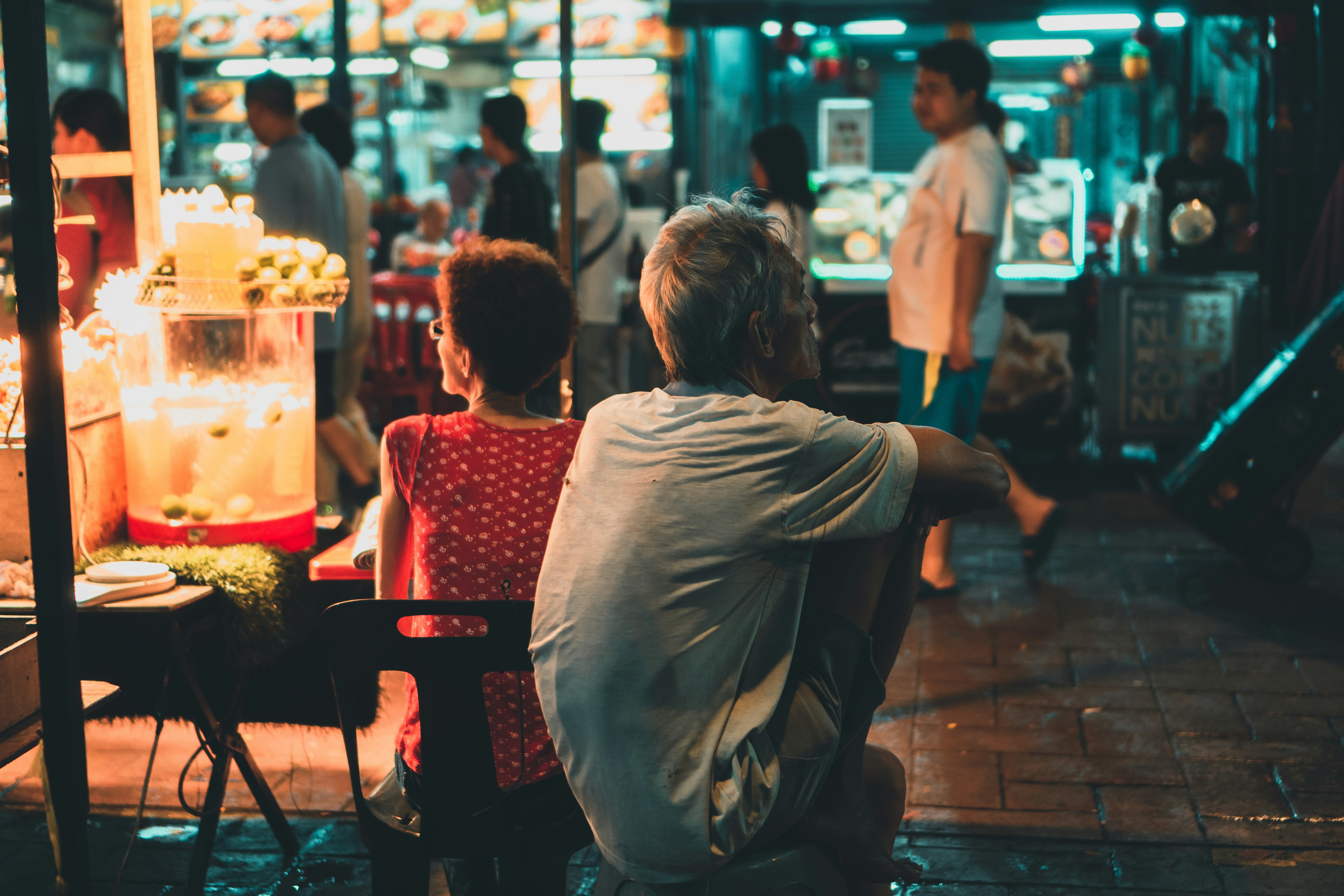
- Despite night markets being a significant economic institution, most hawkers appear to be vulnerable due to heavy reliance on income solely from night markets, which remains low and unstable.
- The majority of the hawkers have not recovered from the COVID-19 pandemic, but they are already facing growing economic pressures. Although they are generally optimistic about sustaining their businesses, they still lack both reliable financial resources and social protection to weather setbacks.
- Night markets also serve as an essential urban food infrastructure that is disproportionately relied upon by low-income and vulnerable households, driven by their accessibility.
- Food choices at night markets are abundant, but they are dominated by less healthy options. Meanwhile, food safety practices remain uneven among hawkers, likely due to limited access to infrastructure such as clean water and other hygiene facilities.
- Given the interdependence between hawkers and consumers, addressing existing vulnerabilities within the night market ecosystem has both socioeconomic and food security imperatives. The current crisis triggered by the war in Iran warrants timely and targeted interventions to prevent the existing vulnerabilities within the night market ecosystem from further deepening.
- Immediate measures that can be undertaken include: maintaining hawker inclusion in the existing cooking oil, liquefied petroleum gas (LPG) cylinders and BUDI MADANI diesel subsidy schemes; increasing outreach and reassessing requirements of existing microloans to better accommodate hawkers’ needs and constraints; implementing temporary increment of special incentives for hawkers’ participation in contributory social insurance and pension schemes; and expanding existing food assistance or vouchers to licensed night market stalls to benefit both the hawkers and the consumers.

_1.avif)