




Growing demand for food
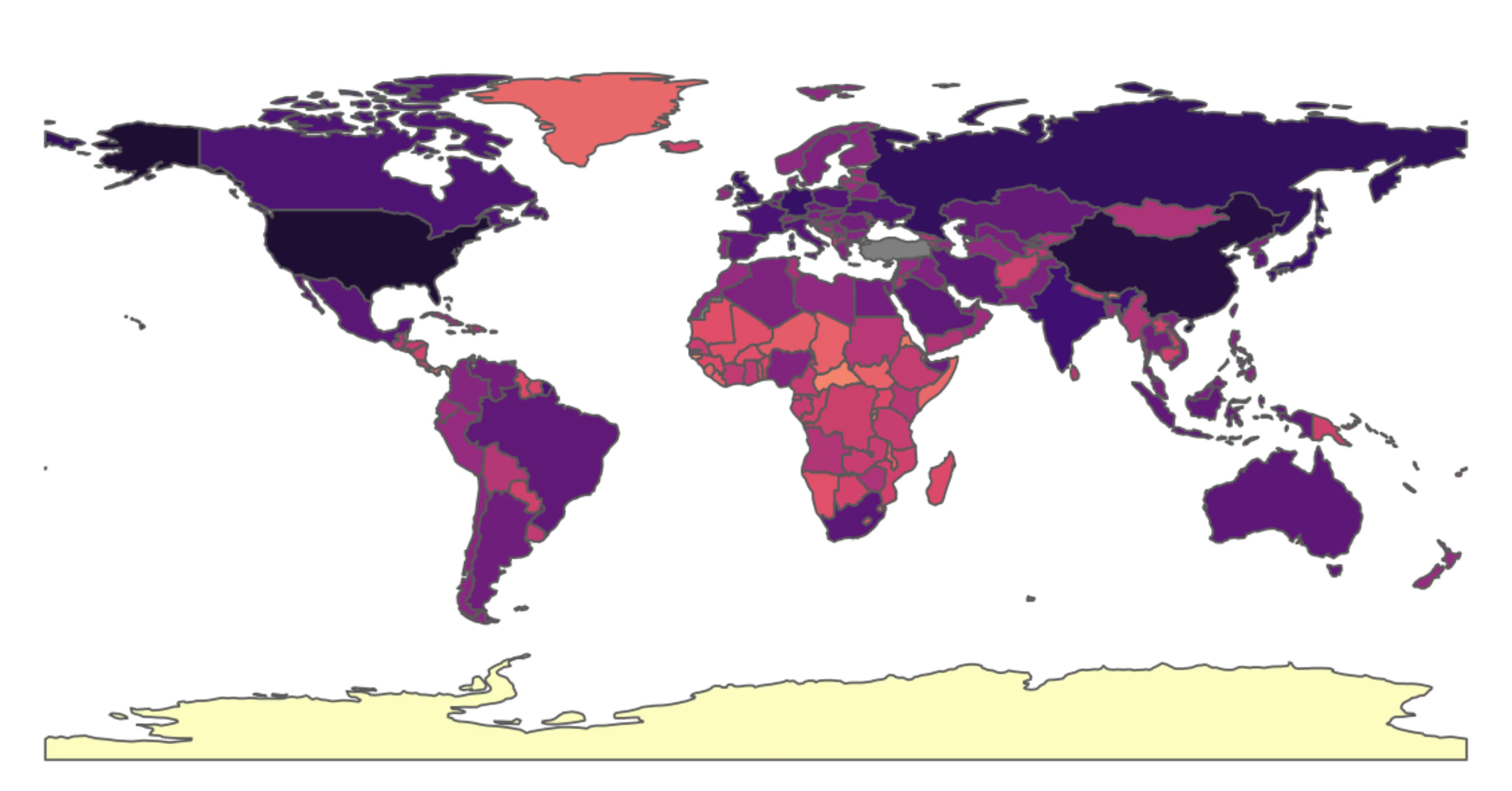
When our ancestors made the bold ‘career’ move from being hunter-gatherers to farmers, it permanently changed the historical landscape of humanity. As far back as 11,500 years ago, groups of people started farming1. The sedentary lifestyle was associated with improved survivability and reproductive capacity, leading to the first rapid growth of the human population termed the Neolithic Demographic Transition2-4. Since then, the world has witnessed continued overall population growth (Figure 1). According to the United Nation’s World Population Prospects 2015 Revision report5, more than 7 billion people exist on earth today. This number was estimated to grow by an extra 2 billion by 2050. It is, therefore, inevitable that there will be more mouths to feed and with this, requiring more sources of food especially for macronutrients such as carbohydrates and protein. The following article explores the latter in greater detail.
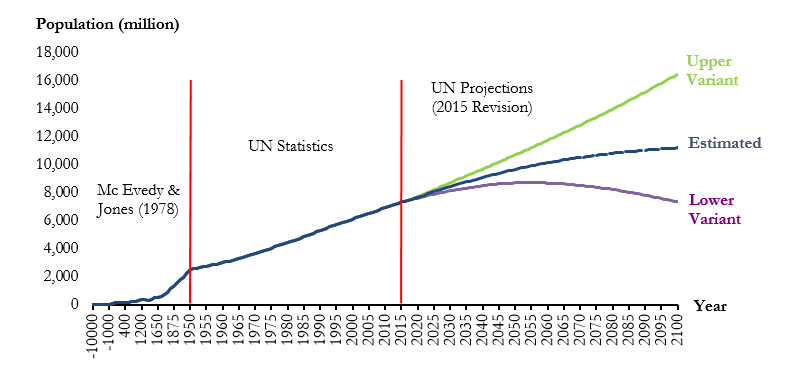
Figure 1. World Population of Humans Across Time. The estimated human populations from -10,000 BC to the year 1950 were derived from Mc Every and Jones (1978)6, while population data up to 2015 and population projection estimates from 2016 to 2100 were from United Nations (2015 revision)5.
Traditional farms: the struggle to sustainably meet the increasing demand for protein
While animal farming was sufficient for our ancestors, it is predicted to be insufficient to fulfil our future demand for proteins. A 2011 report by the Food and Agriculture Organization (FAO) of the United Nations titled Livestock in Food Security stated that the demand for meat is estimated to increase by 73% by 20507. The report added that it would be increasingly challenging to meet this growing demand through livestock farming7. This is due to the taxing nature of animal farming, especially in the production of beef which requires large land spaces and fresh water8. In 2013, about 38% (39 million sq. km) of the global land area consisted of agricultural land9. While this may suggest that land is still available for farm expansion, competition for land to be used for urban growth, industrial development, conservation and recreational use meant that available land is scarce and expensive. Additionally, water availability is deemed to be another limiting factor to farm expansion. Even now agriculture accounts for more than 70% of global fresh water use10.
Given the above scenario, it is predicted that in the future both industrial and organic livestock farming would struggle to produce environmentally sustainable animal protein at affordable prices. This means that while the well-to-do can continue to enjoy rump steak or roast lamb for dinner, the rest of the population may not. Already in 2010, about 925 million people are undernourished7. Furthermore, it was estimated that between 2000 and 2003, more than half of the 10.5 million deaths in children are directly or indirectly caused by protein-energy malnutrition7, 11. Considering this, the search for nutritious, cheap and sustainable sources of protein led to two possible farm alternatives: biotechnology and insect farms (Appendix: Table 1).
Alternative sources of protein: Biotech farms
Laboratory or biotech farming is the culmination of a clever fusion of knowledge in animal physiology, genetics and technology. Two years ago, the world was pleasantly (or horribly, depending on where you lie on the opinion spectrum) surprised by an announcement by Professor Dr Mark J Post, from the Netherlands. He revealed that his team at the Maastricht University had developed the world’s first ever petri dish beef12. In the same year, Andras Forgacs, co-founder of Modern Meadow, announced at TED.com that his company would be developing 3D-printed meat for consumption. In both technologies, no animals would need to be killed to produce the meat. This is because these technologies use donor stem cells taken from living animals. These stem cells were then cultured in a controlled environment to grow into muscle cells, also known as meat13. Since cultured meats can be grown indoors and require less space, it is expected that the production of these meats can be made closer to the source of demand, especially in urban settings. This would not only reduce the use of natural resources such as land and water, but it can also reduce carbon footprint and improve producers’ responses to changes in consumer demand.
At the moment, the technology of culturing meat for consumption is still at its infancy stage. Meaning, while it is technically possible, laboratory meat is still expensive to produce. Additionally, much work is still needed to explore and improve on its marketability, consumer acceptance, religious and ethical aspects[i].
Considering the limitations above, consuming insects as an alternative source of protein may be a potential solution given its superiority in terms of costs and sustainability[ii].
[i] The Department of Islamic Development Malaysia (JAKIM) provides guidelines for halal food, which are made publicly available at the Halal Malaysia Official Portal (Halal Guidelines at www.halal.gov.my). According to the halal portal, “All plants and animals derived through biotechnology are deemed halal except for those produced using the DNA from any one of the swine or dog species.” However, given the likely elimination of animal suffering and killing involved in the production of 3D or petri dish meat, it is possible that the halal, welfare and ethical status of these meats would open exciting discussions and debates by both consumers and experts.
[ii] Sustainable/sustainability refers to the use of natural resources in a manner or rate that does not lead to depletion (Oxford Dictionaries 2017).
Entomophagy (the eating of insects)
While eating insects may seem like an unsavoury practice for most, it is quite common in some cultures. For example, the Witchety grub (Endoxyla leucomochla), a moth larvae, is a delicacy for the Australian aborigines14, and fried Jing Leed (crickets) can be seen sold in the rural towns throughout Thailand15. Despite the potential queasiness of the idea, insects are in fact highly nutritious. A study on growing rats conducted by a team of researchers from the Department of Nutritional Science at the University of Wisconsin showed that house crickets (Acheta domesticus) are superior in providing higher quality proteins compared to soy-based proteins16. In some types of beetles, crickets, and grasshoppers, the crude protein content (by dry weight) can range from 35% to a whopping 77%17-20 (Appendix: Table 2). By comparison, soybeans contain 42% protein on dry weight basis20 and powdered whole milk at 23%21. The nutritional value of these insects has led researchers to explore the farming of insects for human consumption in a bid to address global food insecurity18, 22.
Insect farming as an environmentally sustainable form of agriculture

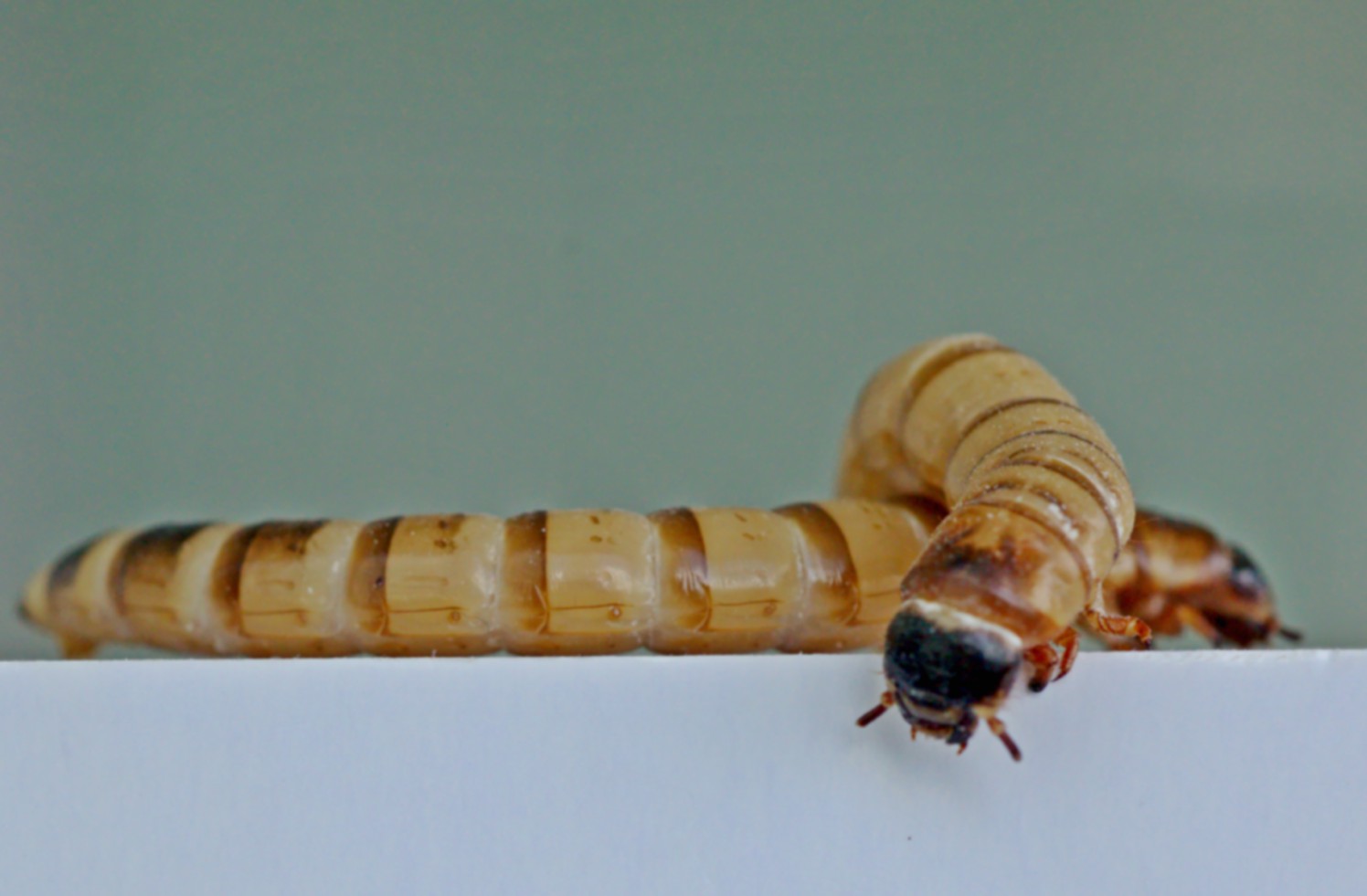
Figure 2. Tenebrio molitor or commonly referred to as Superworms.
Crickets (order Orthoptera) and the larvae of beetles (order Coleoptera) such as superworms (Figure 2) and mealworms are becoming a favoured alternative in sourcing sustainable proteins for the human diet. A team of researchers at Wageningen University in the Netherlands23 discovered that the farming of mealworms is amongst the most environmentally feasible way of producing proteins compared to other conventional meats. These researchers found that mealworms produced the lowest amount of greenhouse gases (12 times less than beef) and the lowest use of land (10 times less than beef) per kilogramme (kg) of edible protein8, 23 (Figure 3).
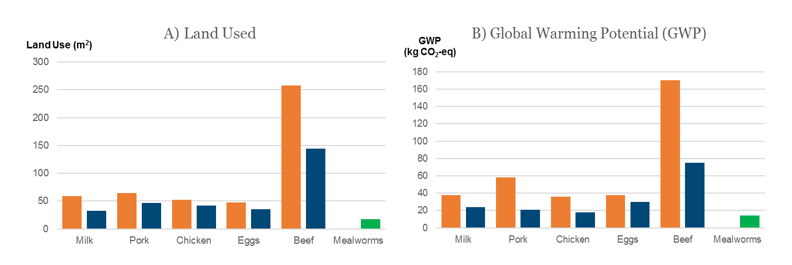
Figure 3. Environmental Impact of Mealworms Compared to Other Animal Products. A) Land used to produce 1kg of edible protein. B) Global Warming Potential (expressed in CO2-equivalent or kg CO2-eq) to produce one kg of edible protein. Results from Oonick and de Boer (2012) is depicted in green. Minimum (blue) and maximum (orange) literature data was adapted from de Vries and de Boer (2010).
In summary, less land, energy and carbon footprint are needed to produce the same amount of protein in insects, compared to other animal proteins such as beef or pork18. As such not only would the costs of production be cheaper, it is also deemed to be a more sustainable alternative in generating protein over the long-term period.
Insects as food in Malaysia: ethics and religion
In the context of entomophagy in Islam, there is no universal halal status as it differs between the various species of insects and between the different schools of the Sunni fiqh (Maliki, Hanbali, Shafi’i and Hanafi).
With regards to the consumption of insects in Malaysia, the fatwa on Cordyceps released by JAKIM provided some insights (Hab Halal JAKIM). Ophiocordyceps sinensis or Cordyceps is a type of parasitic fungus that requires a moth larva host to grow. In parts of Central and East Asia especially in China, it is traditionally harvested from an insect and is consumed for its believed medicinal properties24, 25. According to the outcome of the 106th National Fatwa Council, JAKIM concluded that Cordyceps harvested from a dead larva (ulat) is mubah (harus)26. This is because for the case of Cordyceps cultured within a larva, the Islamic jurists deemed that since the host, ‘ulat’, is an organism that does not have blood flow, it is not considered najis. However, it is important to note that while Muslims in Malaysia may consume the fungus Cordyceps sourced from a moth larva, it does not mean that the same status applies to edible products associated with other species of insects. The reason is that the eating of insects in Islam in Malaysia may still vary between the different Islamic departments for each state, and between the different species of insects.
As such, for laboratory meats and insects to be an important part of the diet of future Malaysians, matters related to the halal status of these foods will need to be rigorously and carefully evaluated. In doing so, it ensures that any decisions or fatwa made does not unnecessarily limit the access of high quality, cheap proteins to those that needs them most.
Concluding remarks
Given that the world is expected to continue to experience growth in the human population, the issue of food security needs to be addressed and Malaysians must be reminded that we are not excluded from this responsibility. It is imperative that we start talking about these sustainable alternatives through healthy debates so that when the time comes for us to make a choice, we would be ready to make the best one.
a adapted from Bonny et al. 201527
b subject to further research and development
c fear or dislike of anything unfamiliar
d fear of technology
e fear of insects
a FW – percentage of protein from the fresh weight of the organism. Fresh weight includes dry matter and moisture content
b DW – percentage of protein from the dry weight of the organism. All moisture removed
c FAO – data from the FAO Food Composition Biodiversity Database Version 3.031. Samples are assumed raw, and the percentage of protein was measured in fresh weight (FW)
b USDA – data from the United States Department of Agriculture Food Composition Databases21. Samples were assumed raw, and the percentage of protein was measured in fresh weight (FW) unless stated otherwise