







Book
Dec 12, 2018
6
Minutes read

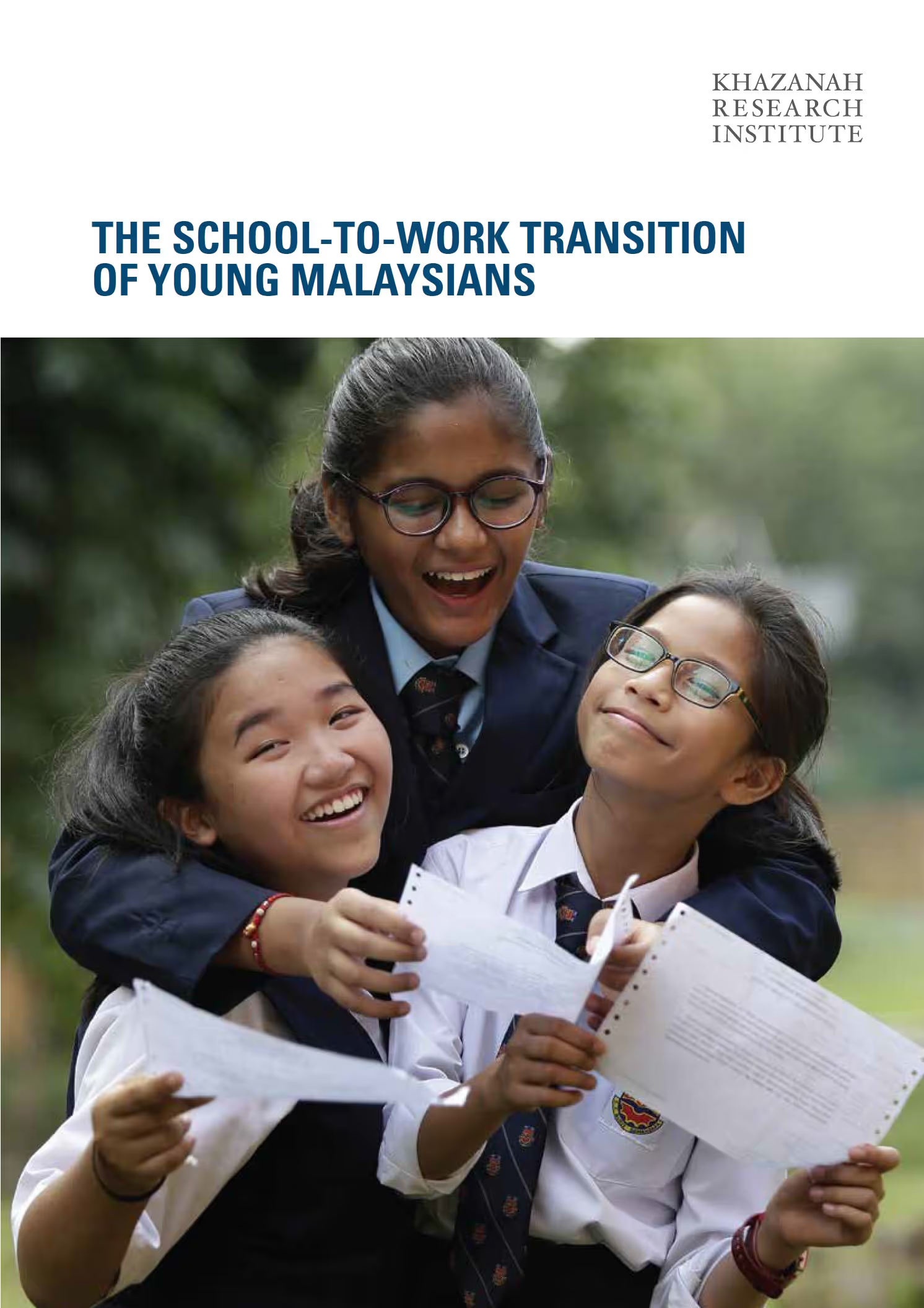
The School-to-Work Transition of Young Malaysians

Key Takeaways
Data Overview

It is important to learn from young men and women themselves what they want out of life and work, how the education and training systems are equipping them for employability and how they fare in their job search and their working conditions—because it is the human resources of the young that will determine Malaysia’s advancement into high-income status. Therefore, a School-to-Work Transition Survey (SWTS) was conducted in Malaysia.

the-school-to-work-transition-of-young-malaysians2
Book
In-depth publications compiling research, essays, or thought leadership into a single volume. Books go beyond time-sensitive policy analysis to explore broader, lasting themes for both academic and general audiences.
Disclaimer
As we transition to a digital-first communication and continue building our knowledge hub, publications released before October 2025 are preserved in their original format. Publications released from October 2025 onward adopt a new, digitally friendly format for easier online reading. The official versions of earlier publications, including their original language and formatting, remain available in the downloadable PDF.

Analysis of the SWTS data pointed to a number of difficulties young Malaysian men and women encounter in their transition from school-to-work. The survey also revealed mismatches and popular misperceptions about the relationship between the supply of and demand for young people in the labour market and identified features of the labour market urging policy interventions.

The main report examines:

  • how the education and training system prepares youth for employability;
  • how young men and women go about their job search and the barriers and opportunities for getting the jobs they want;
  • how young workers are doing in terms of their employment status and working conditions; and
  • the perspectives and preferences of employers towards hiring young people.

Read Full Publication

Article highlight

featured report

Conclusion

Attributes
Footnotes
References
Photography Credit

Related to this Publication

No results found for this selection
You can  try another search to see more

Want more stories like these in your inbox?

Stay ahead with KRI, sign up for research updates, events, and more

Thanks for subscribing. Your first KRI newsletter will arrive soon—filled with fresh insights and research you can trust.

Oops! Something went wrong while submitting the form.
Follow Us On Our Socials