







Summary
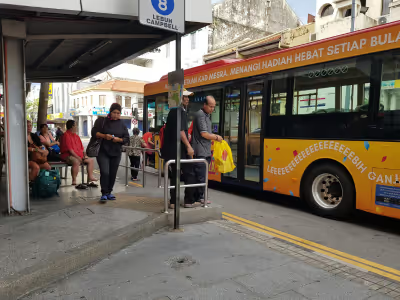
• Bus stop infrastructure across Greater KL is structurally inadequate. A computer vision assessment of more than 5,000 bus stop images shows that most stops lack essential amenities such as shelters, benches, lighting, and clear signage. These deficiencies are widespread, with little to no moderate-high quality bus stop amenities distributed across geographical clusters.
•Amenity gaps meaningfully affect perceived waiting time, safety and the decision to use public transport. Evidence from the literature suggests that poor waiting environments increase perceived wait durations on the part of the rider. This reduces feelings of safety, and discourage use, particularly among groups that are more sensitive to how safety and comfort is experienced.
•Two policy interventions offer immediate improvements. A national bus stop design standard would establish minimum requirements for safety, accessibility and comfort, guiding bus stop upgrades across jurisdictions. Real-time arrival information systems, through countdown displays reduce uncertainty and significantly improve perceived waiting time even when bus frequency remains unchanged.